
Endodontics

Endodontic Care to Protect & Preserve Your Natural Teeth
Endodontics focuses on diagnosing, treating, and preventing problems related to the inner tooth — the pulp, nerves, and root tissues that keep your teeth alive and healthy. When these tissues become inflamed, infected, or damaged, you may feel pain, sensitivity, or pressure.
At Modern Dental, our approach to endodontics is thorough, gentle, and guided by advanced imaging. Our goal is to relieve discomfort, protect your oral health, and preserve your natural teeth whenever possible.
What Endodontics Covers
Endodontics includes a wide range of assessments and treatments designed to diagnose and manage internal tooth issues.
Our endodontic evaluations may involve:
- Pulp vitality testing
- Bite and percussion testing
- Temperature sensitivity testing
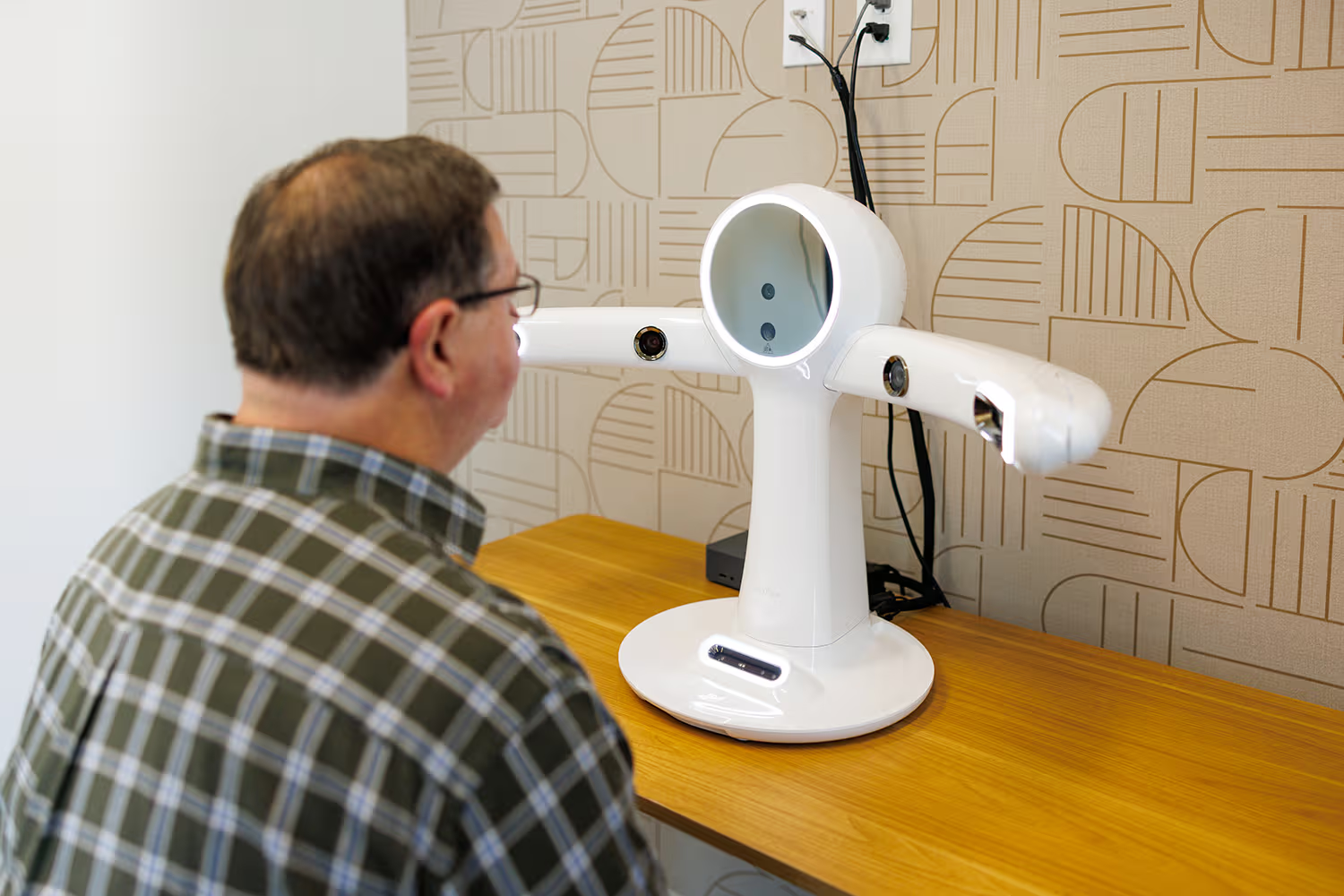
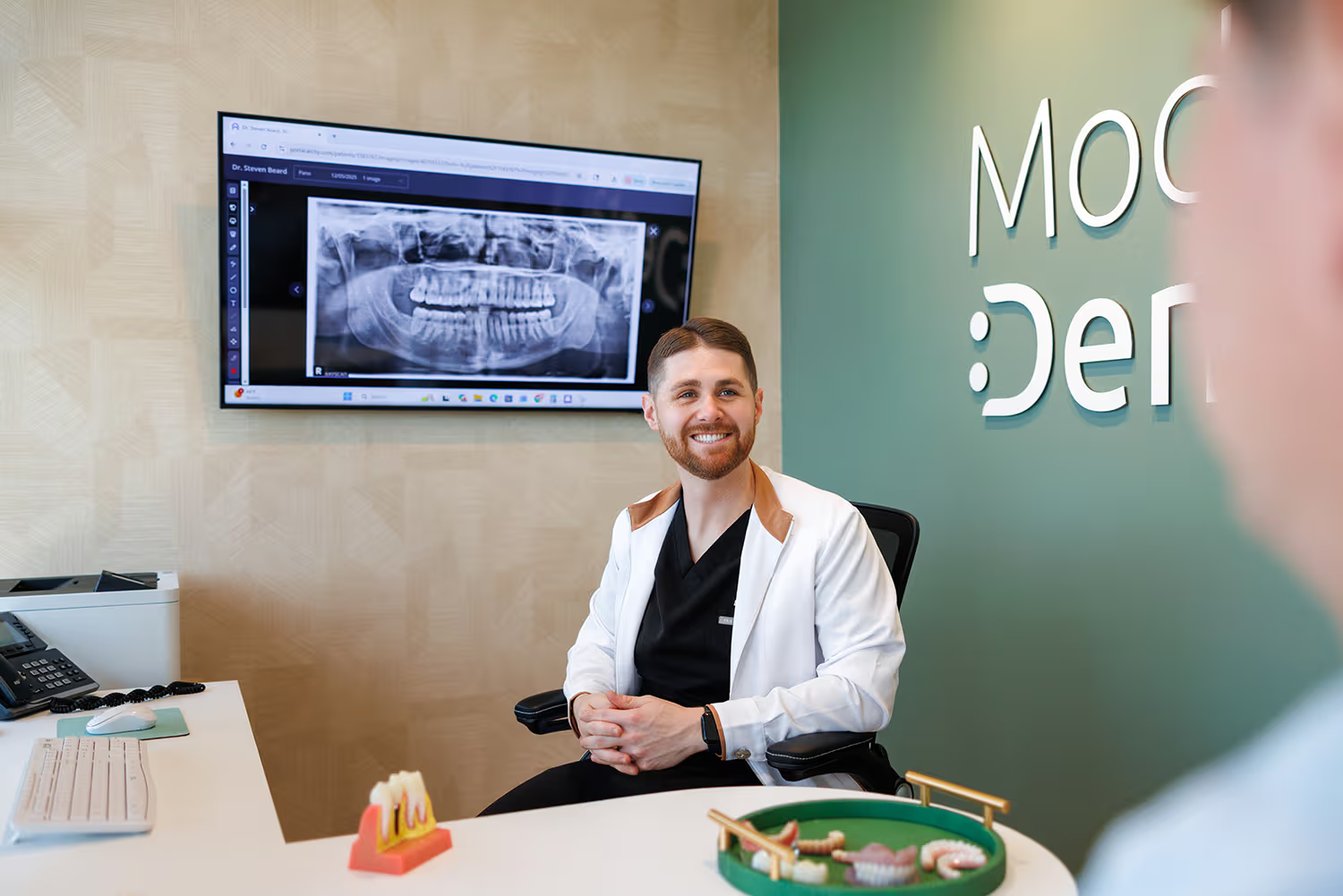
- 3D CBCT imaging
- Identifying internal cracks or fractures
- Diagnosing nerve inflammation
- Evaluating deep decay or trauma
- Assessing infection or abscess formation
- Determining the best way to preserve the tooth long-term
Endodontic diagnosis helps us decide whether a tooth can be saved, restored, monitored, or needs additional treatment.
Endodontic Treatment Options
Depending on what we diagnose, treatment may include:
Pulp Therapy or Pulp Capping
A conservative option to preserve the tooth’s nerve when inflammation is mild.
Root Canal Therapy
Used only when necessary, this removes infected nerve tissue while preserving the natural tooth.
Internal Drainage or Infection Management
For abscesses or swelling.
Monitoring & Conservative Care
Some internal issues simply require watchful evaluation and preventive care.
Tooth Preservation Planning
Recommendations to stabilize or protect the tooth moving forward.
Our goal is always to preserve your natural tooth structure whenever possible.
Why Choose Modern Dental for Endodontic Care?
Advanced Imaging for Accurate Diagnosis
Low-dose CBCT and digital scanning allow us to see internal structures clearly — essential for accurate answers.
Comfort-Focused Evaluations
We take time to understand your symptoms, listen to your concerns, and explain everything step-by-step.
Comprehensive, Conservative Philosophy
We never push unnecessary treatment. Our priority is finding the cause of your discomfort and treating it appropriately.
Sedation Options Available
For patients who feel anxious, sedation helps make appointments calm and comfortable.
Honest, Clear Treatment Plans
You’ll always know your options, the reasoning behind them, and what we recommend.
Endodontics FAQs
Tooth pain caused by nerve involvement often feels sharp, throbbing, or triggered by hot/cold. However, not all nerve issues present the same way.
We use specialized tests and 3D imaging to determine whether the pulp, gum, bite, or surrounding tooth structure is causing the issue.
Not always. Some nerve inflammation is reversible and can heal with conservative care. Only certain cases require root canal therapy — and we will always explain why if that becomes the recommendation.
Yes. Many internal cracks can be diagnosed with 3D imaging and bite testing. Treatment depends on the depth and location of the crack — options range from monitoring to crowns to endodontic therapy.
We perform a gentle, step-by-step evaluation that may include sensitivity tests, bite tests, imaging, and a discussion about your symptoms. Nothing is rushed — we want you to feel comfortable and informed the entire time.
Intermittent pain often means the nerve is irritated but not fully infected. While the pain may fade temporarily, the underlying issue may progress. Early evaluation helps prevent more serious problems
Still have questions?
Please contact us. We're happy to help.

Get Answers & Relief — Starting Today
If you’re experiencing tooth pain, sensitivity, or discomfort, our endodontic evaluation can help pinpoint the cause and guide you toward the right treatment. You don’t have to live with uncertainty or pain — we’re here to help.