
Tooth Extractions in Chelsea, AL


Tooth Extractions in Chelsea, AL When a Tooth Cannot Be Saved
Nobody is excited to hear a tooth may need to come out. Usually, by the time that conversation happens, something has already been hurting, breaking, swelling, or failing for a while.
Modern Dental in Chelsea, AL handles tooth extractions when a tooth is too damaged, infected, loose, impacted, or broken to stay in place safely. Dr. Steven Beard uses imaging, careful planning, and comfort options like nitrous oxide and oral conscious sedation when appropriate.
The goal is simple: remove the problem tooth, protect the area as much as possible, and talk through what happens after. Because once a tooth is gone, the space matters too.
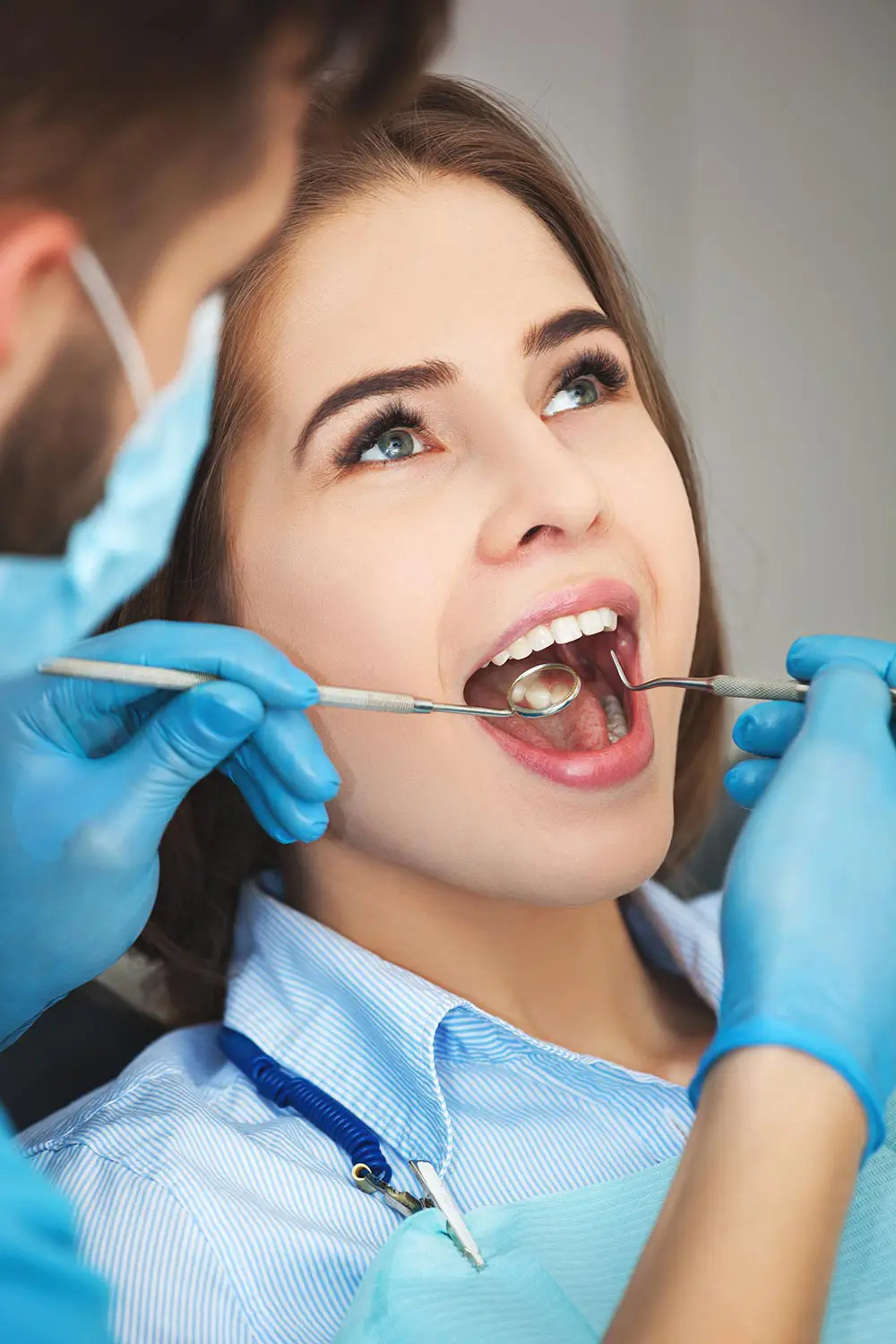
When Is a Tooth Extraction Needed?
Modern Dental works to save natural teeth when that makes sense. Sometimes a filling, crown, or root canal can still give the tooth a good path forward. Other times, the tooth is too far gone.
A tooth may need to be removed because of:
- Deep decay that reaches too far into the tooth
- A crack that runs below the gumline
- Infection that cannot be fixed predictably with root canal therapy
- Severe bone loss from gum disease
- A broken tooth with too little structure left
- Impacted or painful wisdom teeth
- Crowding or orthodontic needs
- A failed crown, filling, or older restoration
- Preparation for dentures or dental implants
A tooth extraction is not just “pulling a tooth.” That phrase makes it sound too simple. The real questions are: why is the tooth failing, how can it be removed with the least disruption, and what should happen to the bone and bite afterward?
That is where the plan matters.
Do I Need an Emergency Tooth Extraction?
Maybe. Severe pain does not automatically mean a tooth has to come out. But it does mean the tooth needs to be checked.
Call Modern Dental if you have:
- Swelling in the face, gums, or jaw
- Severe tooth pain that will not settle down
- A broken tooth with sharp edges or exposed inner tooth structure
- A loose adult tooth after an injury
- A pimple-like bump on the gum
- Pressure, drainage, or a bad taste near one tooth
- Pain that makes it hard to chew or sleep
Not every emergency visit ends with an extraction. Some teeth can be saved with root canal therapy, a crown, or another repair. If the tooth cannot be saved safely, Dr. Beard will explain why before treatment begins.
No vague “it’s bad” answer. You should know what is actually going on.
The visit starts with the problem in front of you. Where does it hurt? When did it start? Did the tooth break? Is there swelling? Can you chew on that side?
Dr. Beard checks the tooth, gums, bite, and surrounding area. Digital imaging or CBCT scanning may be used to see the roots, bone level, infection, nearby teeth, and other structures that matter during removal.
Before treatment, the team talks through:
- Why the tooth may need to come out
- Whether there are reasonable ways to save it
- What type of extraction is expected
- Numbing and comfort options
- Whether PRF or bone grafting may help
- Replacement options, if the tooth should be replaced
- Cost before treatment begins
A back molar with curved roots is different from a front tooth. A wisdom tooth is different from a loose tooth with bone loss. The plan should match the tooth, not the other way around.
What Happens Before a Tooth Extraction?

Simple Extractions and Surgical Extractions
Simple Tooth Extractions
A simple extraction is usually done when the tooth is visible and accessible. The area is numbed first. You may feel pressure or movement, but you should not feel sharp pain.
Simple extractions may be used for loose teeth, badly decayed teeth, or teeth that are broken but still reachable.
Surgical Tooth Extractions
A surgical extraction may be needed if the tooth is broken at the gumline, trapped under the gums, impacted, curved at the roots, or surrounded by dense bone. Wisdom teeth often need this type of approach.
That does not mean the visit has to be scary. It just means the tooth needs a more careful path out.
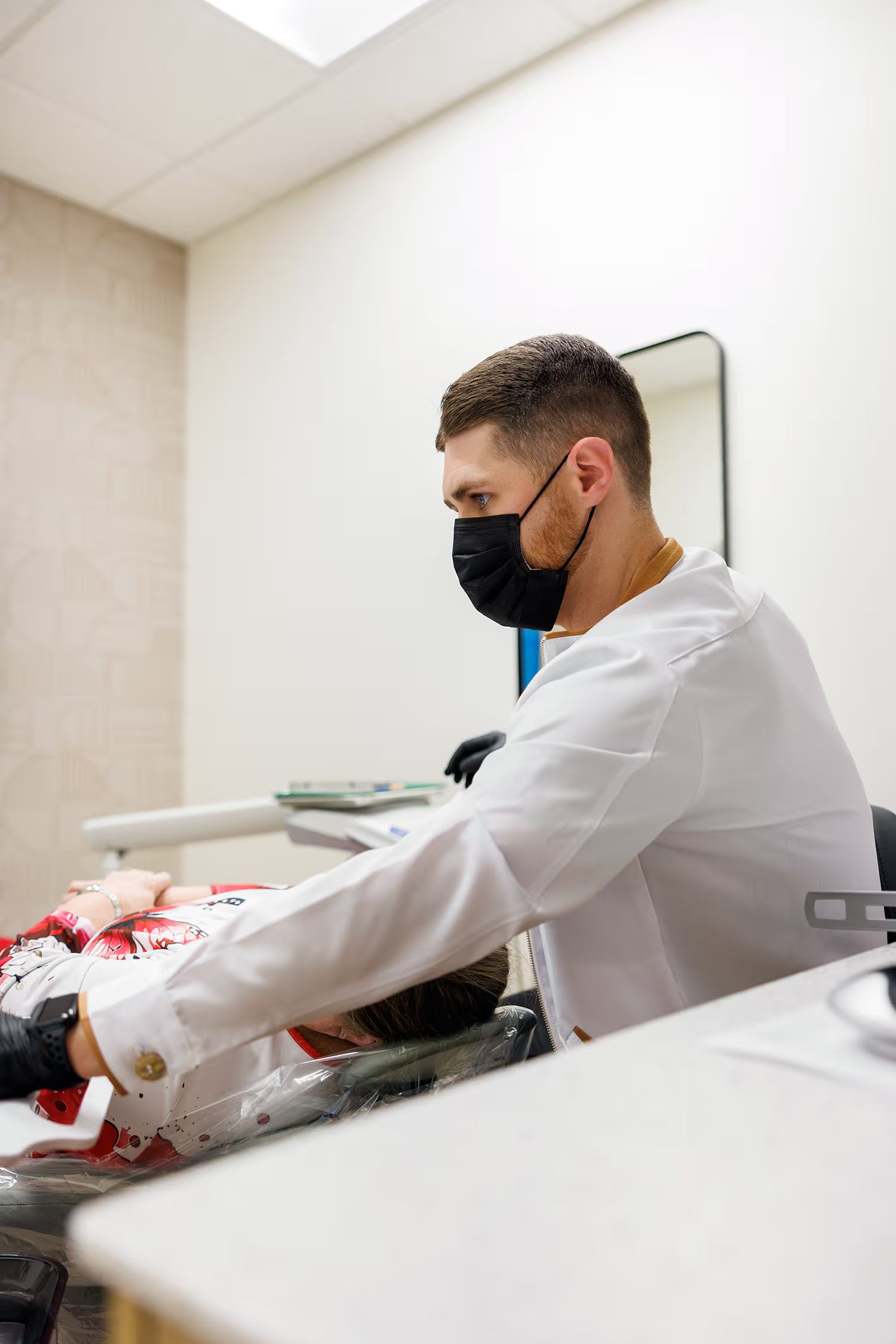
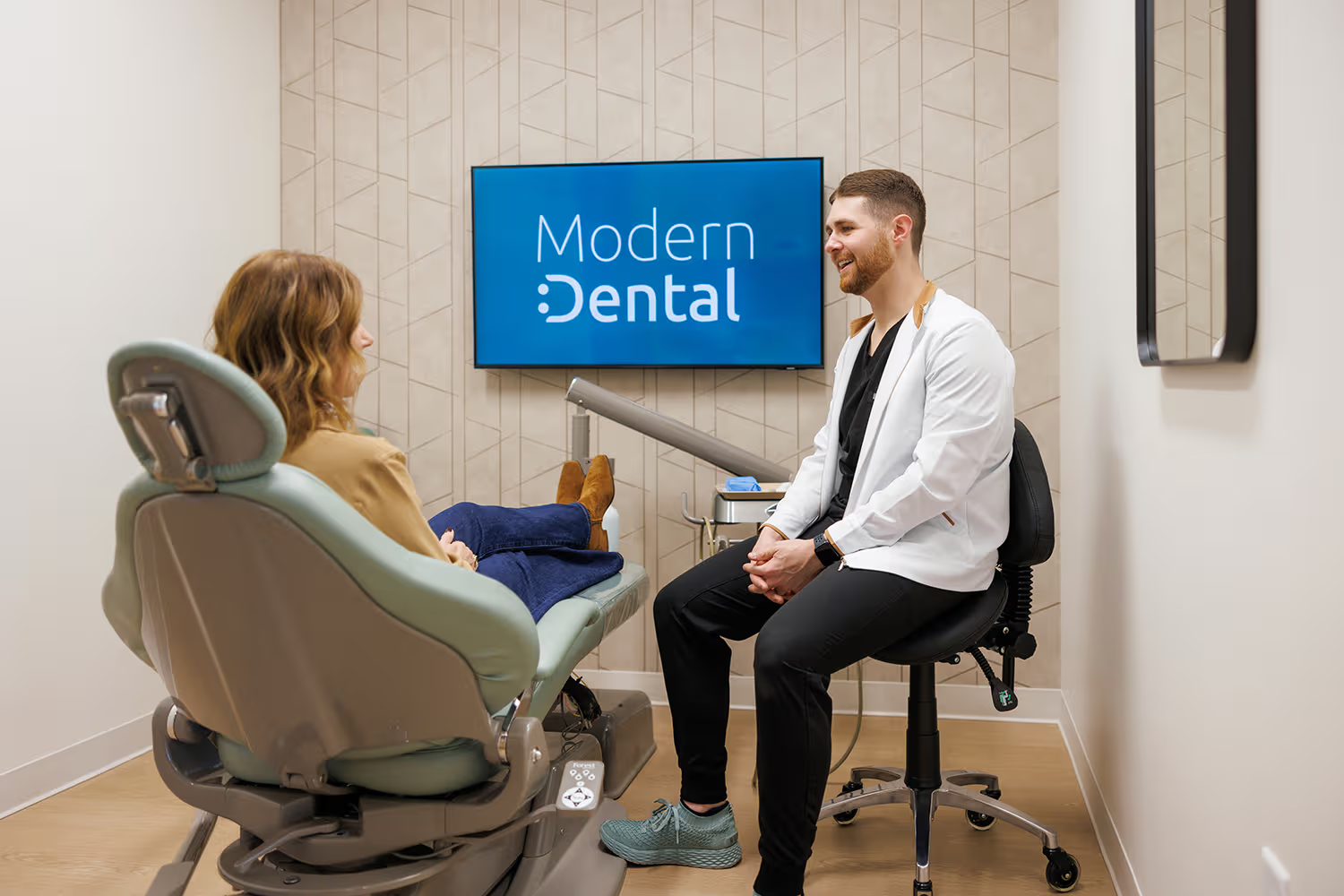
Wisdom Teeth Removal in Chelsea, AL
Wisdom teeth can cause problems when there is not enough room for them to come in cleanly. They may grow sideways, stay partly under the gums, push against nearby teeth, or create tight spaces where food and bacteria collect.
You may need wisdom teeth removed if you have:
- Pain in the back of the mouth
- Swollen or tender gums near the wisdom tooth
- Jaw pressure
- Repeated inflammation
- Cavities on the wisdom tooth or nearby molar
- Infection around a partly erupted tooth
- Crowding concerns
Some wisdom teeth are quiet but still positioned poorly. Imaging helps show what is happening under the gums and whether the tooth is close to roots, nerves, or other structures.
Not something you can check with a bathroom mirror and a flashlight.
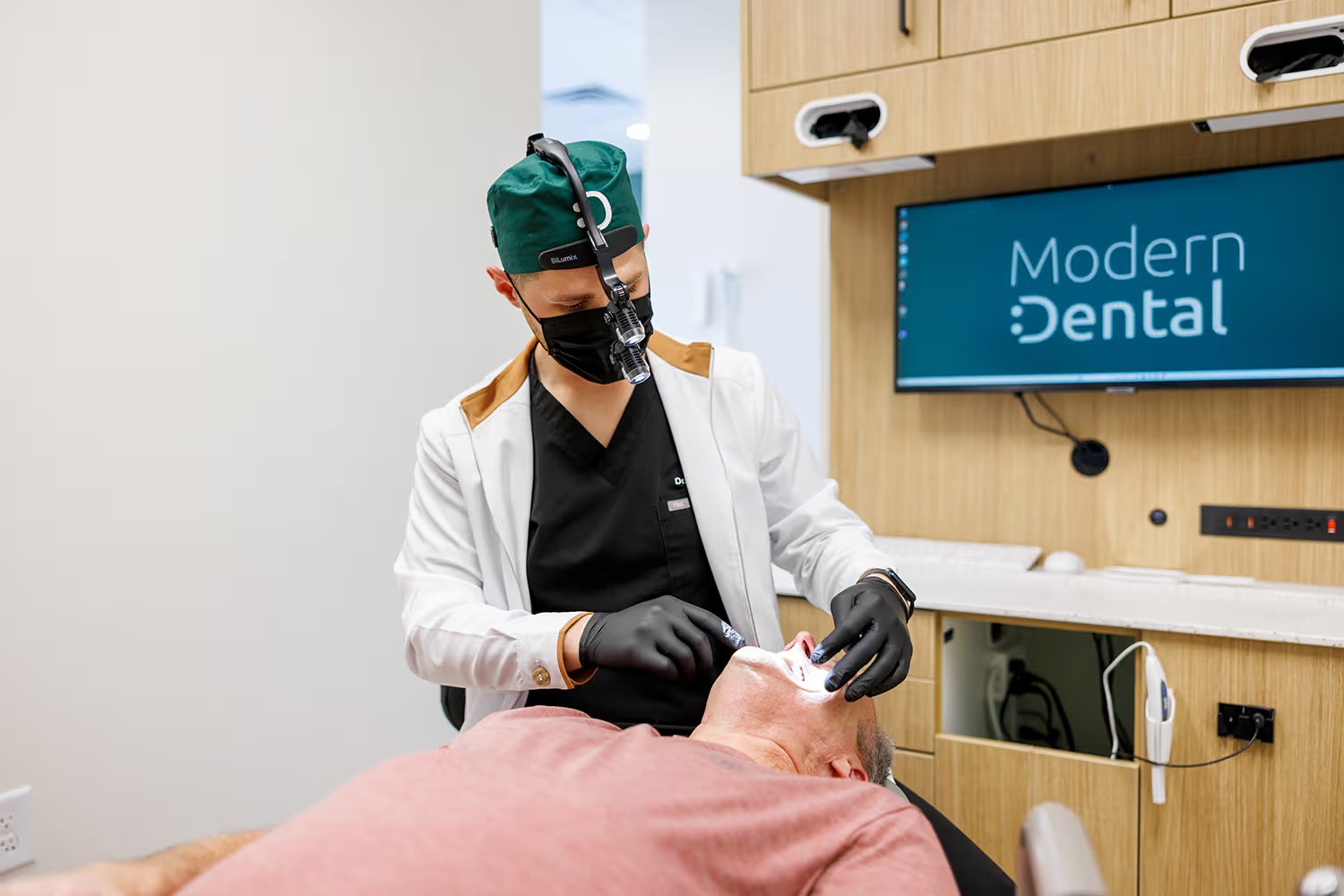
Comfort Options for Tooth Extractions
The tooth and gum area are numbed before the extraction. That handles the treatment area.
For patients who feel nervous, Modern Dental also offers nitrous oxide and oral conscious sedation when appropriate. Sedation helps the person in the chair feel calmer during the visit. Numbing and sedation do different jobs.
A small distinction, but it matters.
The office also offers comfort details like entertainment TVs, noise-cancelling headphones, warm blankets, neck pillows, and check-ins from the team.
PRF and Healing After a Tooth Extraction
Modern Dental offers PRF, or Platelet-Rich Fibrin, to support healing after certain extractions. PRF uses a small sample of your own blood to create a fibrin material that can be placed in the extraction site.
Not every extraction needs PRF. It may be recommended in certain cases to support soft-tissue healing and help manage postoperative discomfort.
The first day after an extraction is mostly about protecting the clot. That clot is like the little bandage your body builds inside the socket. If it gets disturbed too early, healing can get more painful.
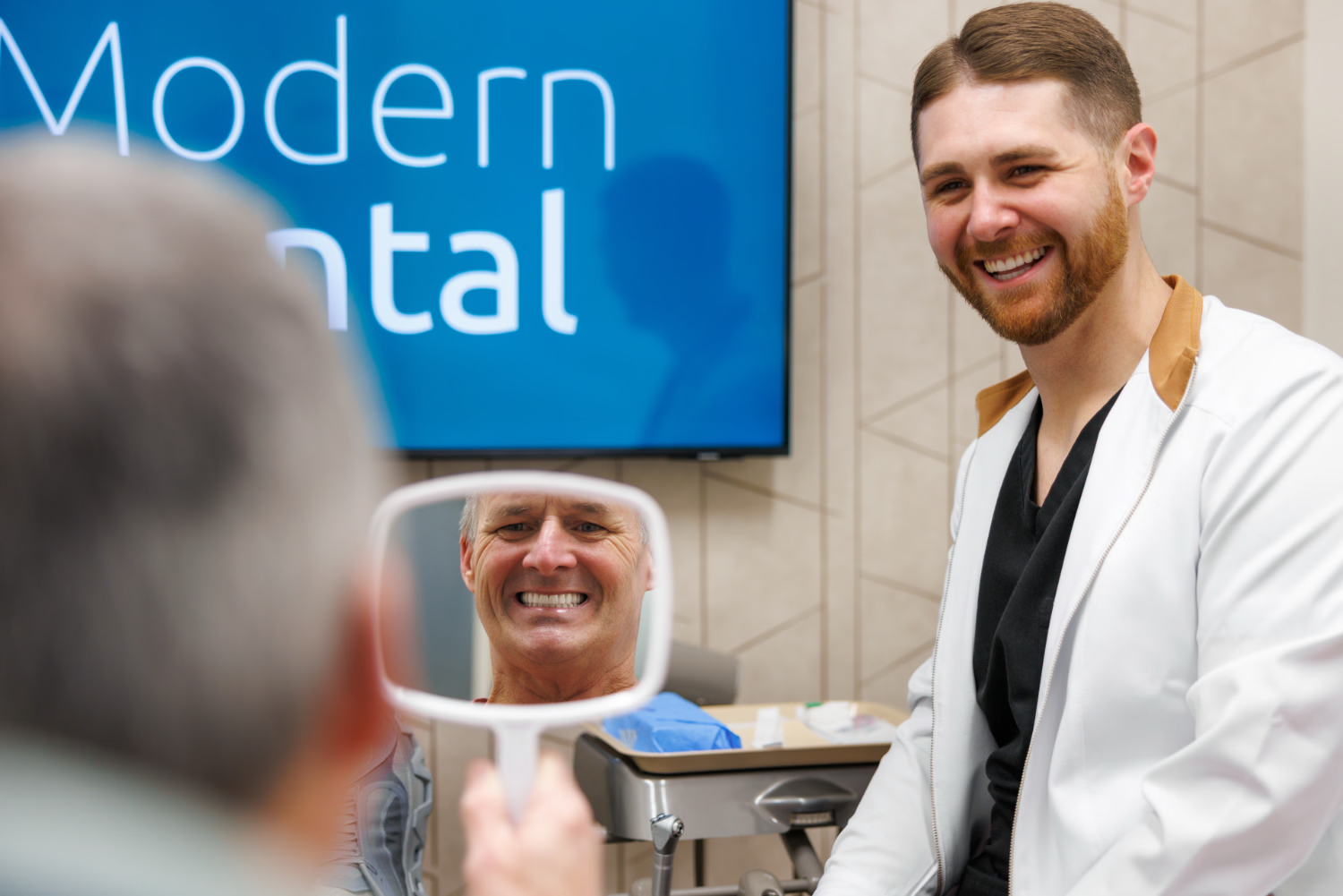
You will get home-care instructions before you leave, including what to eat, what to avoid, and when to call.
What Is Recovery Like After a Tooth Extraction?
Recovery starts with plain rules. Bite on gauze as directed. Do not drink through a straw. Skip smoking or vaping while the socket starts healing. Do not spit hard. Eat softer foods for a bit.
Not glamorous. Important.
You may have:
- Soreness near the extraction site
- Mild swelling
- Light bleeding at first
- Jaw stiffness
- Tenderness when chewing nearby
Many patients feel noticeably better within a couple of days, though recovery depends on the tooth, the infection level, and how involved the extraction was.
Call Modern Dental if pain gets worse after a few days, bleeding will not slow down, swelling increases, or you notice a bad taste that does not improve.
Bone Grafting After a Tooth Extraction
After a tooth comes out, the bone that held the root can shrink over time. That matters most if you may want a dental implant later.
A bone graft can help preserve the ridge shape and support future replacement options. It is not required for every extraction. It depends on the tooth, the bone, infection, timing, and whether an implant may be part of the plan.
This conversation is better before the tooth is removed, not months later when the bone has already changed.
Waiting can be fine. Waiting without knowing the trade-offs is the problem.
Tooth Replacement Options After an Extraction
Not every extracted tooth needs to be replaced. For others, leaving the space open can affect chewing, appearance, your bite, or nearby teeth.
Depending on the situation, Modern Dental may discuss:
Single Dental Implants
A single dental implant can replace one missing tooth without relying on the neighboring teeth for support.
Implant Bridges
When several teeth are missing, an implant-supported bridge can replace multiple teeth using implants for support.
Snap-In Dentures
Snap-in dentures attach to implants for added stability compared with traditional removable dentures.
Full-Arch Implant Options
For patients missing many teeth or facing full-mouth extractions, full-arch treatment can replace an entire upper or lower set of teeth.
Traditional Bridges
A traditional bridge uses neighboring teeth for support and may be an option in certain situations.
The right approach depends on the teeth being replaced, available bone, timing, budget, appearance, and long-term maintenance. Dr. Beard can discuss those options before the extraction when replacement may be needed.
Why Choose Modern Dental for Tooth Extractions in Chelsea?
Imaging Before Treatment
Digital imaging and CBCT scanning help Dr. Beard see root shape, bone levels, infection, and nearby structures before treatment begins.
Sedation Options for Nervous Patients
Nitrous oxide and oral conscious sedation may be available if dental anxiety, a strong gag reflex, or a more involved extraction makes the visit harder to get through.
PRF and Bone Support Options
PRF may support healing after extraction. Bone grafting may be discussed if a dental implant or ridge preservation is part of the plan.
Replacement Planning in the Same Office
Modern Dental offers implants, implant bridges, snap-in dentures, full-arch implant options, and traditional bridges, so extraction planning can connect to replacement planning when needed.
Clear Instructions for Home
You will leave with instructions for the first day, the next few days, and the signs that mean you should call.

Tooth Extraction FAQs
Do tooth extractions hurt?
The area is numbed before treatment. You may feel pressure or movement, but you should not feel sharp pain. Nitrous oxide and oral conscious sedation may be available for anxious patients.
How long does a tooth extraction take?
Many simple extractions only take a short time once the area is numb. Broken teeth, curved roots, infection, or wisdom teeth can take longer.
When is a tooth too damaged to save?
A tooth may not be savable if decay, fracture, infection, bone loss, or structural damage makes repair unlikely to last. Dr. Beard will explain whether a crown, filling, or root canal is still reasonable before recommending removal.
Can I get an emergency tooth extraction in Chelsea?
Call Modern Dental if you have severe pain, swelling, infection, trauma, or a broken tooth. Same-day emergency visits may be available when the schedule allows, especially if you call earlier in the day.
Do you remove wisdom teeth?
Modern Dental evaluates and removes wisdom teeth when appropriate. Imaging helps show whether the teeth are impacted, infected, damaging nearby teeth, or positioned in a way that may cause trouble later.
What is PRF after an extraction?
PRF stands for Platelet-Rich Fibrin. It uses a small sample of your own blood to create a material that may support healing after an extraction.
Do I need a bone graft after tooth extraction?
Not always. Bone grafting may be recommended if you want to preserve the ridge for a future dental implant or if the bone needs extra support after the tooth is removed.
What can I eat after a tooth extraction?
Soft foods are usually best at first. Yogurt, eggs, mashed potatoes, applesauce, warm soup, and soft pasta are common options. Avoid straws, crunchy foods, seeds, and anything that can poke the socket.
How soon can I replace a missing tooth?
Timing depends on the tooth, bone, infection, and replacement option. Some implant plans can start near the time of extraction. Others need healing or bone grafting first.
Still have questions?
Please contact us. We're happy to help.